Bediuzzaman Said Nursi

adsız tasarım

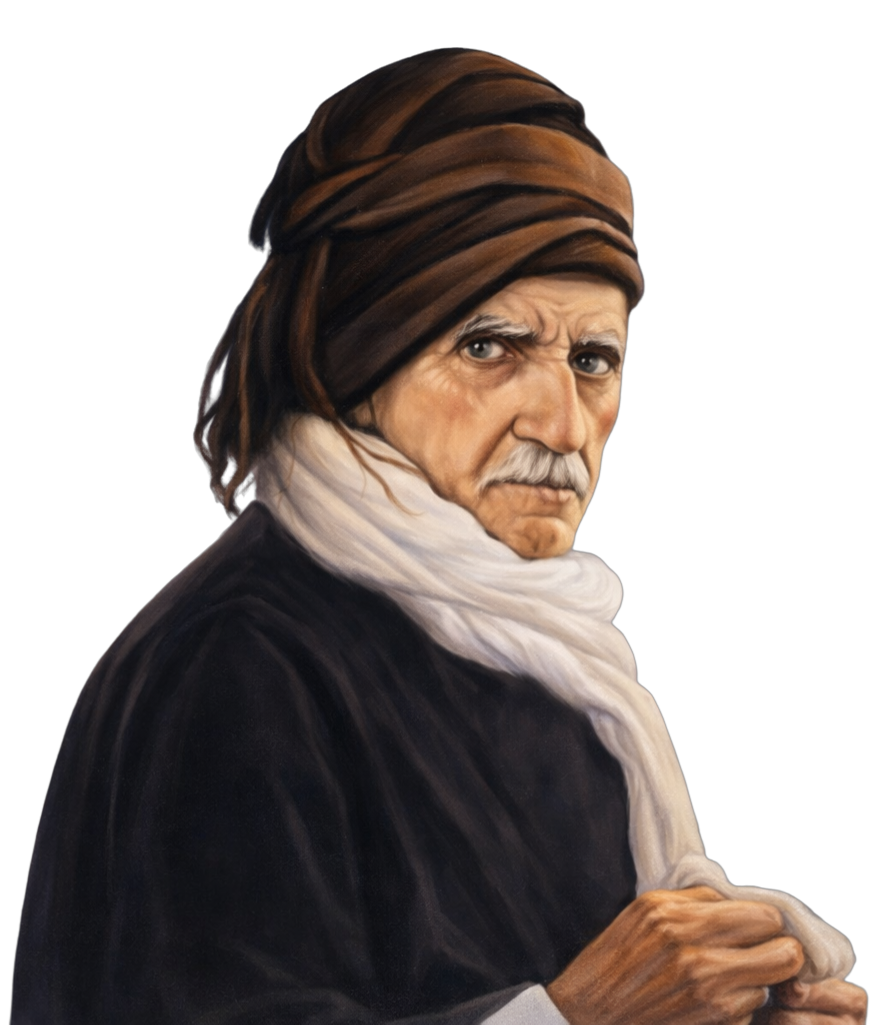
Bediuzzaman Said Nursi (1877, Nurs – Bitlis / 1960, Urfa) was one of the prominent Islamic scholars who lived during the final years of the Ottoman Empire and the early period of the Republic of Türkiye, having a significant influence in both eras. He was born into a family deeply rooted in the traditions of knowledge and piety in Eastern Anatolia. From an early age, he exhibited an extraordinary memory and exceptional learning ability. He completed his madrasa education in a short time and excelled in classical Islamic sciences, earning the title “Bediuzzaman,” which means “the wonder of the age.”

The Old Said Period was marked by intellectual and social activism. During this time, Said Nursi examined the causes of the decline of the Islamic world and proposed ideas based on knowledge, freedom, and consultation as solutions.

With the transition to the New Said Period, his focus shifted from outward struggle to the inner development of the individual. In a state of isolation and pressure, he wrote the Risale-i Nur, a Qur’anic commentary centered on strengthening faith, targeting the intellect, heart, and conscience as its main avenues.

The Third Said Period was characterized by tranquility, humility, and spiritual maturity. At this stage, he emphasized the dissemination of the Risale-i Nur works and the training of students, while he personally withdrew into the background to ensure the continuity of the service.

Through the Risale-i Nur, Bediuzzaman Said Nursi left behind an intellectual legacy that continues to provide answers to the crisis of faith in modern man, grounded in knowledge and wisdom.

1877-1880: Birth and Early Background

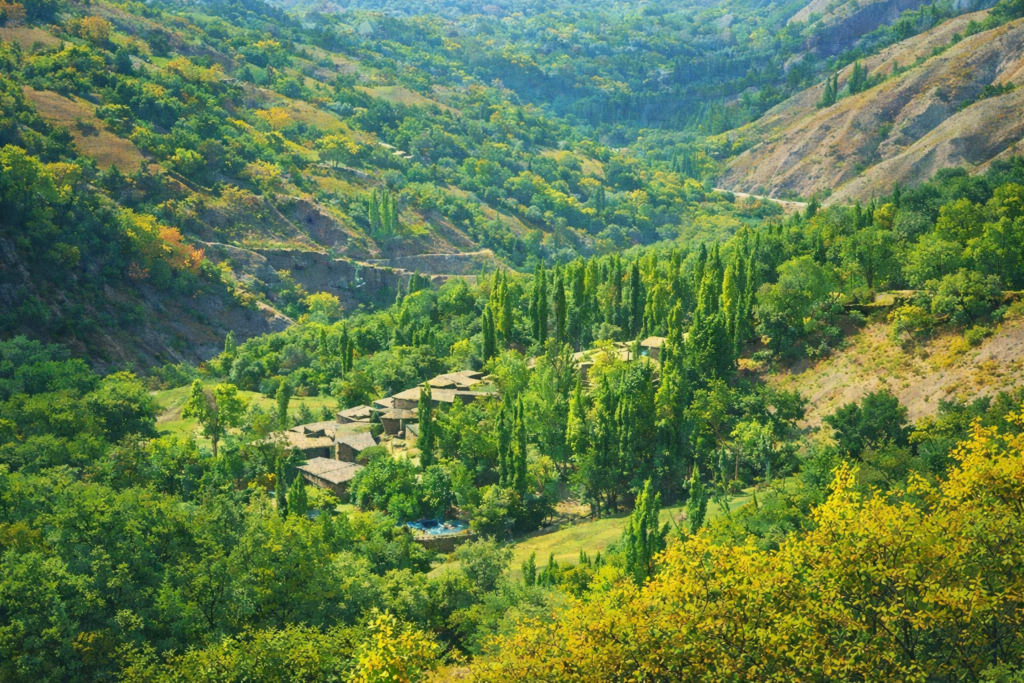
Bediüzzaman Said Nursi was born in 1877 in the village of Nurs, in the Bitlis province of Eastern Anatolia. He grew up in a family environment deeply rooted in scholarly traditions and piety. This environment laid the early foundation for his religious thought and personality. From a young age, he demonstrated a profound inclination toward knowledge and learning.

chatgpt image 11 oca 2026 15 54 53
bsn 1
bsn 3
bsn 2

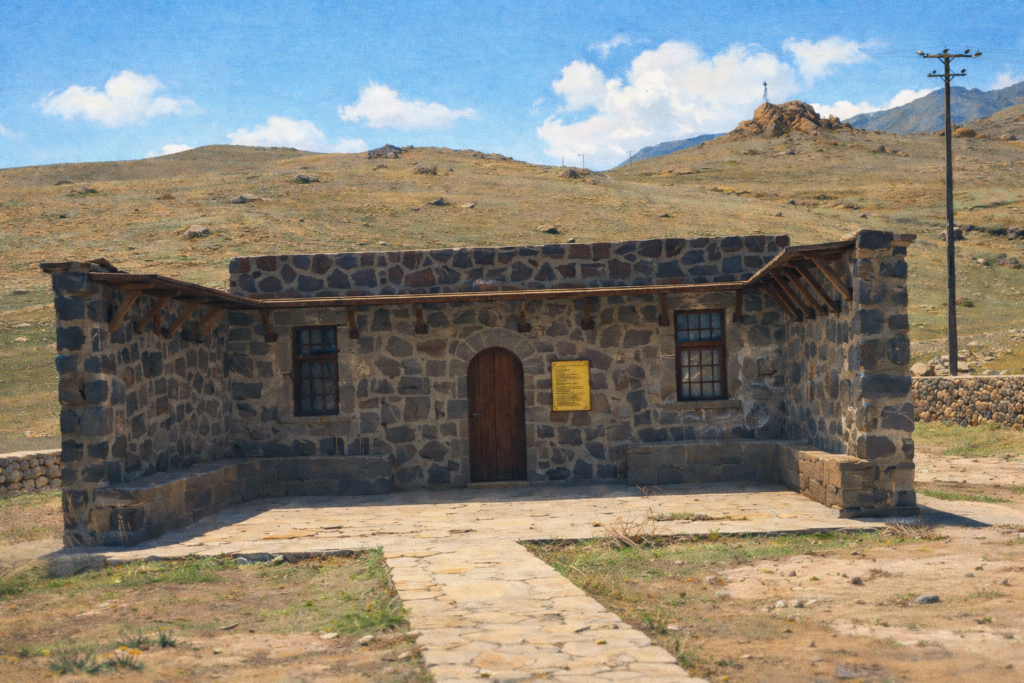
During this period, Said Nursi received his madrasah education in various centers of learning in Eastern Anatolia. He stood out with an exceptionally strong memory and a remarkable ability to quickly grasp the classical Islamic sciences. His capabilities drew the attention of scholars even at a very young age. This phase laid the foundation for the development of his scholarship and methodology of thought.

bsn 5 tağ medresesi
bsn 6 doğu bayazıt
Placeholder
Placeholder

Between 1895 and 1907, Said Nursi began to be widely recognized for his exceptional level of knowledge. The title “Bediüzzaman,” meaning “the Wonder of the Age,” was bestowed upon him as an acknowledgment of his intellectual brilliance. During this period, he was actively engaged in scholarly debates and religious thought. His position as a distinguished scholar became increasingly accepted among the ulama and the wider community.

During this period, Said Nursi was actively involved in intellectual and social life at the final stage of the Ottoman Empire. He focused on the problems of the decline of the Muslim ummah and the relationship between religion, knowledge, and progress. His ideas emphasized the importance of education, freedom of thought, and consultation (shūrā). This phase reflects the external and reformist approach in his thought.

After World War I, Said Nursi underwent a profound transformation in his thinking. He began to distance himself from direct political and social activism. His focus shifted towards inner spiritual development, particularly the strengthening of faith (iman). This period served as a bridge between the “Old Said” (Eski Said) and the “New Said” (Yeni Said).

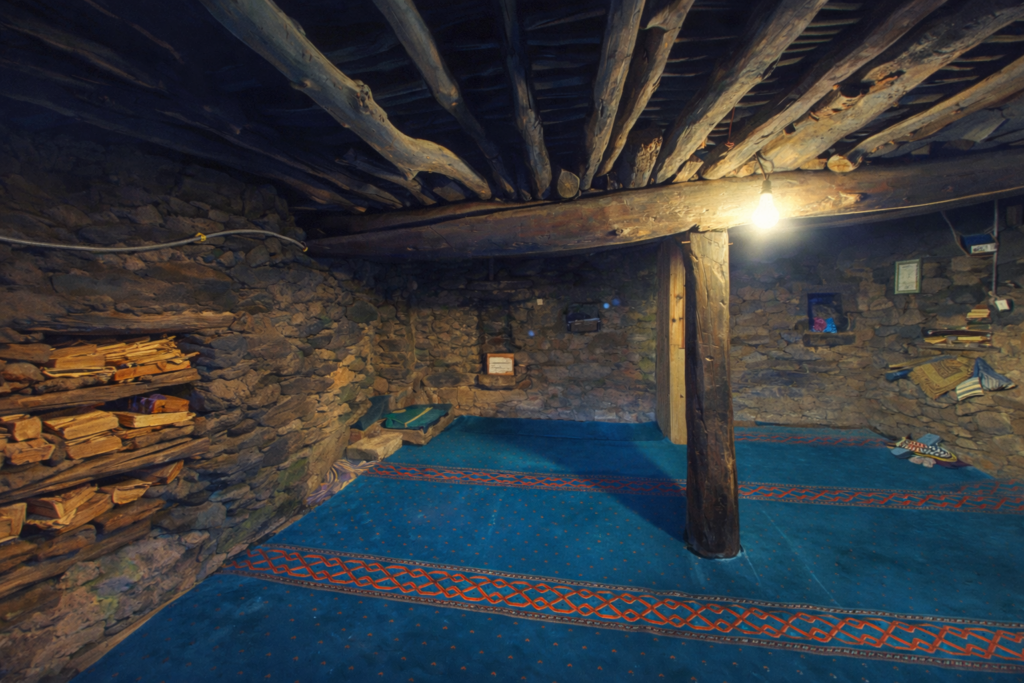
Amidst isolation, surveillance, and pressure, Said Nursi produced his monumental work, the Risale-i Nur. This collection focused on explaining the truths of faith (iman) through an approach that combined reason, heart, and conscience. Despite being written under extremely difficult and deprived conditions, the work had a wide-reaching impact. This period marks the maturation of his methodology and the core message of his thought.

In the final years of his life, Said Nursi focused on the dissemination of the Risale-i Nur and the development of his students. He chose to remain in the background, emphasizing the continuity of service over the role of the individual. Humility and spiritual serenity became the defining characteristics of this period. His intellectual legacy continued to grow through his followers and the readers of his works.

Shopping Cart